Archive | January, 2015

Call Transfer – In the CORRECT Manner!

Obviously, the first point is to ensure you FULLY understand your company’s specific system. There is nothing more annoying than being transferred all over the place, only to be cut off, and having to start over again!

The way in which we would normally handle the telephone unfortunately results in us unwittingly mishandling our customers.

Here’s an example:

You make a call and the phone is answered. Before you can get a word in, you hear ‘Just a moment please’ – then it’s either total silence or some awful music as you’re put on hold!

As with many things in life, your general rule should be to treat others, as you’d like to be treated yourself. So be friendly and warm and appreciative of the fact that they called YOU.

Experiment with different ways of answering the telephone. You need to feel comfortable about it, and so do your colleagues!

You need to ensure a consistent, company-wide message is being portrayed to your clients’ and prospects’, regardless of who picks up the telephone.

If outside callers can come in on a direct-line numbers, as well as through the switchboard, then everyone in your organisation needs to portray a professional and consistent image.
Comments are closed

Good Old Word-of-Mouth Remains the Most Effective Marketing Strategy

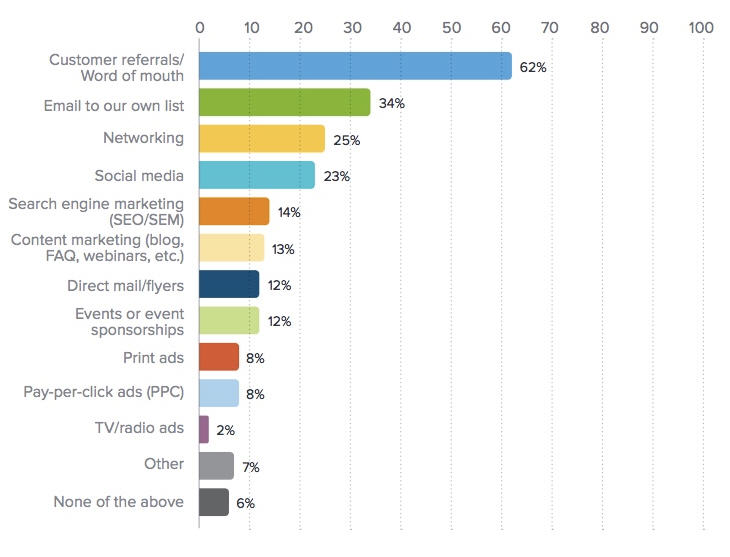
According to a recent by Infusionsoft – Good Old Word-of-Mouth Remains the Most Effective Marketing Strategy. Can this be true?

See the graph below:

most effective marketing strategy


Source: Infusionsoft small business research sales and marketing report 2015

Comments are closed

Training Needs Analysis

Thinking of doing training? Here’s a template for sales training needs Analysis that you might find useful.


Company  Background

  • What is your business unit responsible for?
  • How many employees are there?
  • What are your annual sales/revenues?
  • Who are your biggest customers?
  • Any recent business changes?
  • What are your business objectives (long-term and short-term)?
  • What will be the impact if you miss objectives?
  • What results are you getting now?
  • How close are you to meeting those objectives?
  • What are your key business challenges (external and internal)?
  • What are your marketing strategies?
  • What are the three most important things you need to do in your department?
  • What is the mission of your department?

Training Need

  • Who is the target audience (job, length of service, age, size of group, etc.)?
  • What problem needs to be addressed? Why?
  • How was that problem identified?
  • Has this problem been addressed in the past? How? With what results?
  • What type of performance is needed if business goals are to be realized?
  • What must supervisors and managers do differently or better in the future? How prepared do you believe they are to perform in this manner?
  • Describe someone who is performing at peak.
  • What must each type of employee do differently or better?
  • What should people be doing to achieve the goal?
  • What will it look like if the goal is achieved?
  • Who is sponsoring/requesting this training? What is important to them?
  • How open is the audience to the training?
  • What is the target date for implementation and completion?
  • What obstacles may hinder completion of the project?
  • What things are contributing to the problem which are not in your control (competition, etc.)?
  • What are the forces outside your control that will make accomplishment of these goals difficult or challenging? (for example, changes in the economy or governmental regulations)
  • What are the forces within your control that will make accomplishment of the goals difficult or challenging? (for example, reward system, etc.)
  • What forces will help in accomplishing these goals?
  • What are their primary reasons for the goal not being accomplished?
  • Was there ever a time when you were achieving the goal? Why do you think it changed?
  • Do people know what is expected regarding the goal? How do they know?

Success Criteria

  • What are the outcomes desired? What will success look like?
  • How will success be measured?
  • When is a return on investment expected?
  • Who will measure success?
  • If the training goal is achieved, what will be the impact on the organization?
  • How will you know if you meet the goal?
  • What measurements will you use to determine if the goal is met?
Comments are closed

Email Marketing In 2015

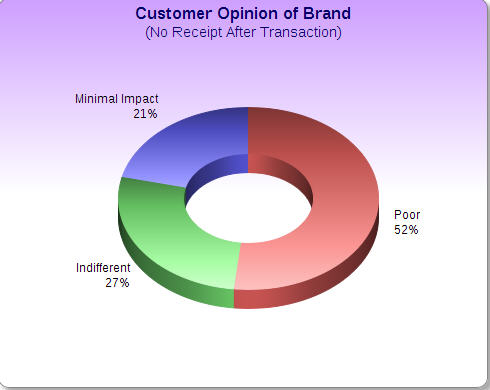
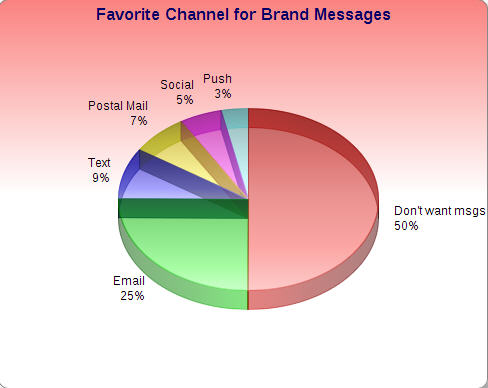
This is what customers has to say about email marketing. Here are some astonishing results of a recent survey conducted by email platform messagesystems.com.


Email channel


Customers opinion


Us email marketing of interest to you? Check out the full details here:

Comments are closed